East Lake Scenic Area Half-Day Tour Itinerary
I. Event Theme: Immersive Panoramic Experience of East Lake, Natural Scenery + EastLake’s Chu Culture, and an In-depth Experience of Red Culture ( RevolutionaryHistory).
II. Event Schedule: 2:00 PM – 6:00 PM
III. Transportation: Chartered tour bus
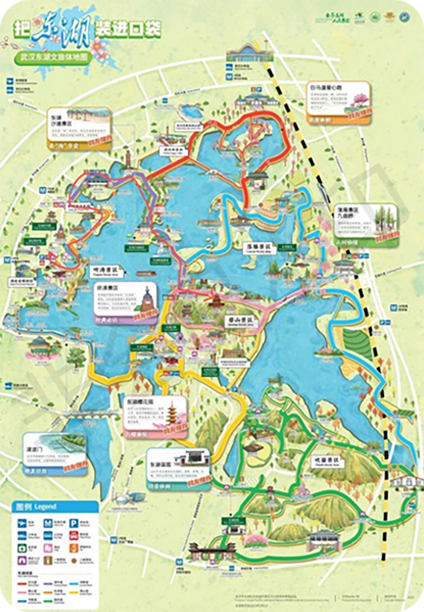
IV. Activity Route: Donghu Hotel (Starting Point) → Enter Tingtao Scenic Area via Old East Lake Gate → Xingyin Pavilion → Qu Yuan Memorial Hall → Bitan Guanyu(Viewing Fish at the Jade Pool) → Changtian Tower → Donghu Moshan Scenic Area → Chutiantai (Chu Heaven Terrace) Chime Bell Perform- ance → Chucheng Gate (Chu City Gate) → Donghu Hotel (End Point).
Map (see the red thin line)
Itinerary
I. Depart together after an in-depth tour of Donghu Hotel (14:00 - 14:30)

Meeting Position: touring Donghu Hotel, take the tour bus to Tingtao ScenicArea.
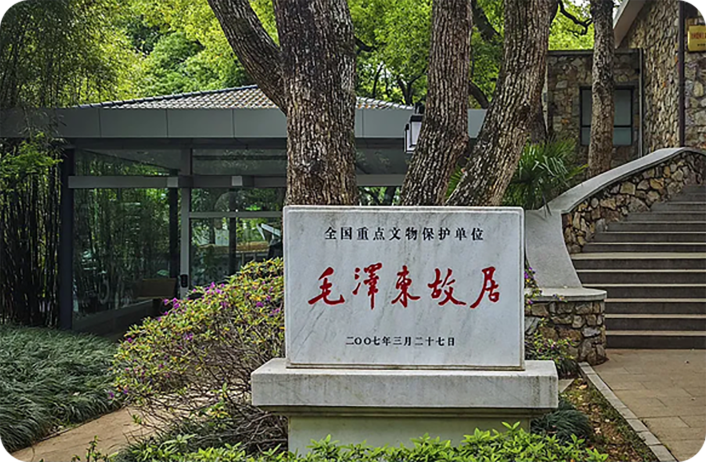
[Donghu Hotel]: Situated on the shores of East Lake, it is renowned as the “Zhongnanhai of Hubei” (the political heart and state guesthouse of the region). Outside of Zhongnanhai in Beiji- ng,this was the place where Chairman Mao Zedong stayed the most frequently and for the longest durations. He resided here 48 times. Numerous significant state affairs and classic poetic creations are deeply connected to this land. The grounds feature shimmering lakes and towering ancient trees. Amidst the red walls and dark-tiled roofs lies a profound revolutionary history and the footsteps of a great le- ader, seamlessly blending the elegance of Chu culture with memories of the nation.
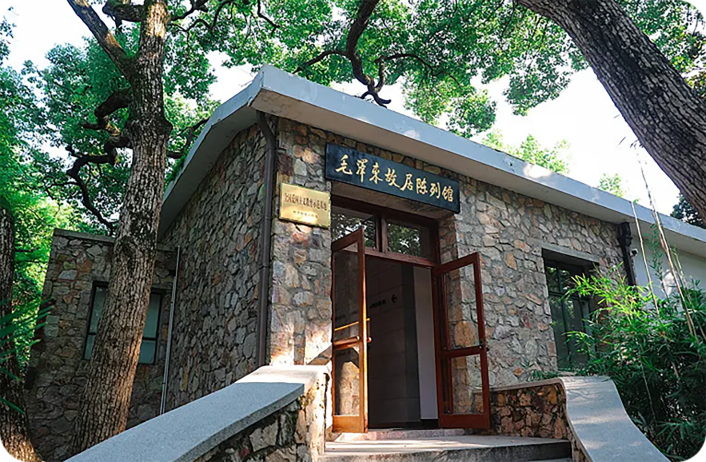
Notifications for June Weather: June in Wuhan marks the early stages of the scorching summer. Daily temperatures range from 22°C to 30°C, often exceeding 35°C during the day, with high humidity. It is recommended to bring sunscreen, comfortable athletic shoes, drinking water, and a camera. Please also prepare a dual-purpose umbrella and a disposable raincoat for unpredictable weather. You may carry a portable fan and wet wipes to relieve the heat. Wear breathable, sweat-absorbent clothing for comfortable travel.
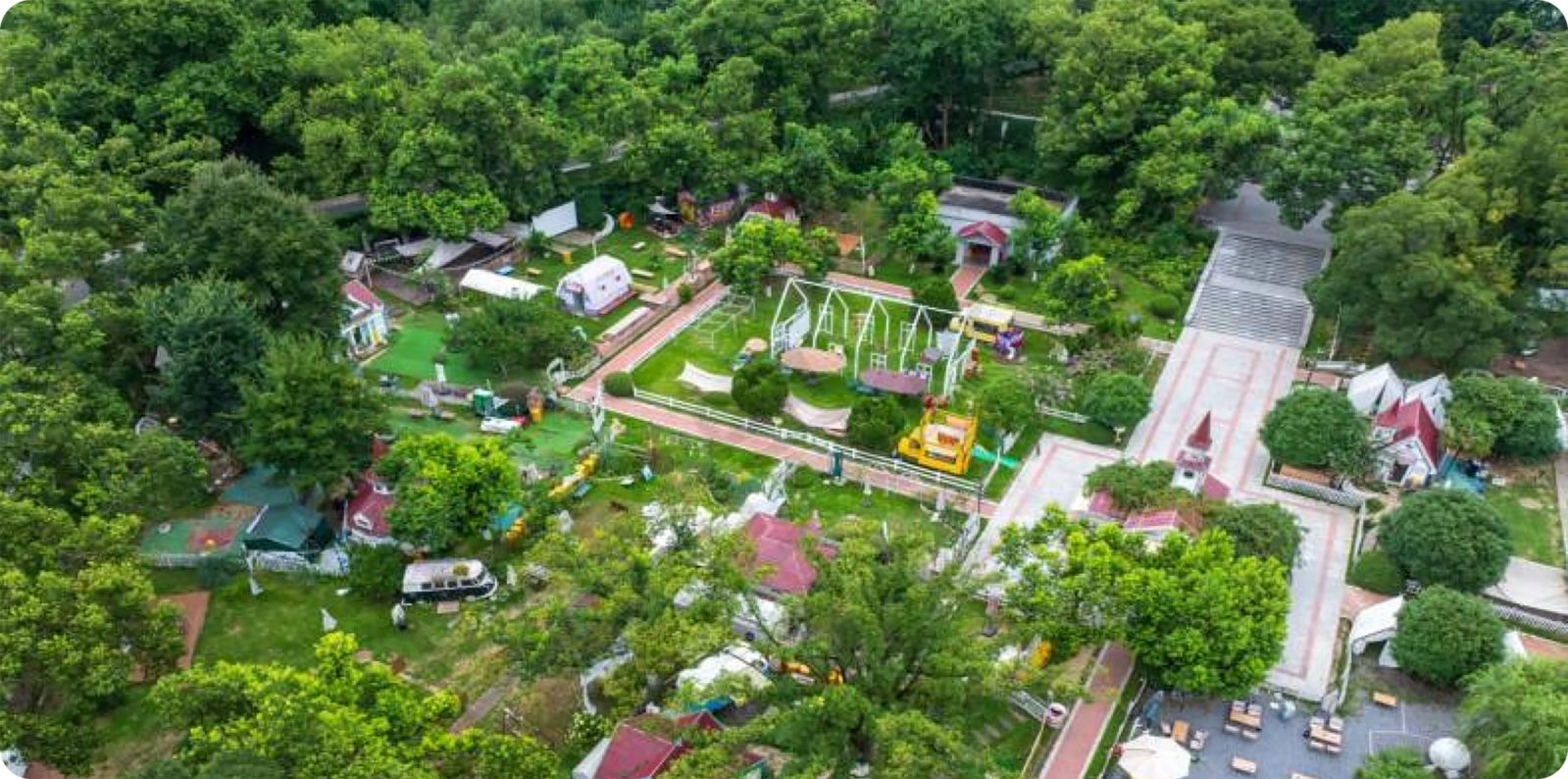
II. In-Depth Tour of Tingtao Scenic Area (14:30 - 15:45)

[East Lake Tingtao Scenic Area] located on the northwest shore of East Lake, and it is the earliest established and opened scenic area within the East Lake Scenic Area. It features a cluster of attractions dedicated to commemorating the patriotic poet Qu Yuan. With a profound cultural heritage, it is the largest Chu culture touring center, rich in Chu style and exquisite artistic charm. The surrounding area gathers 26 higher education institutions, including Wuhan University and Huazhong University of Science and Technology, as well as 56 national and provincial research institutes, such as the Wuhan Botanical Garden of the Chinese Academy of Sciences. [Accompanied by a Gold-Medal Bilingual Guide throughout]

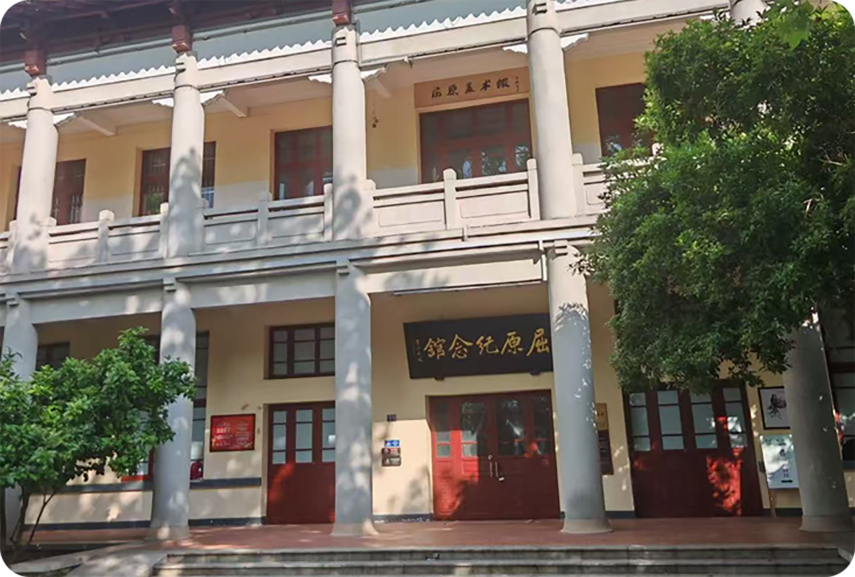
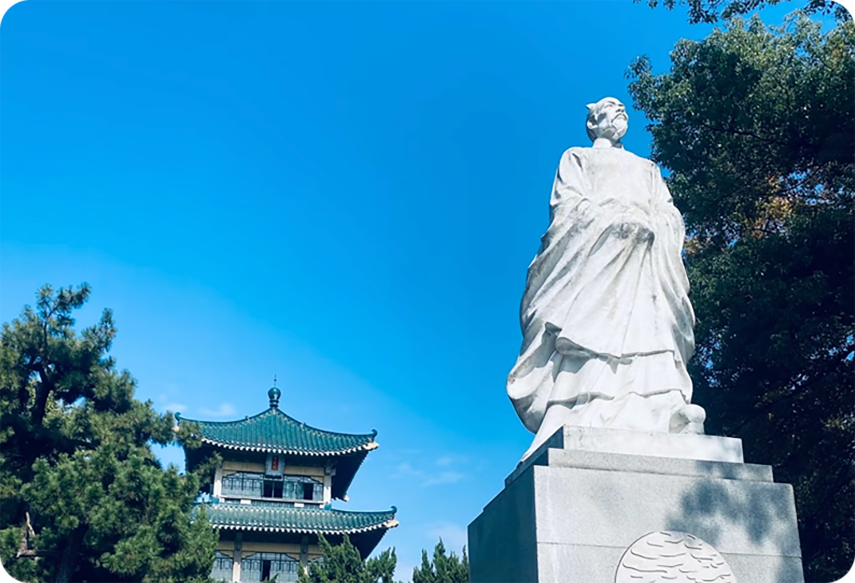
1. Xingyin Pavilion, Qu Yuan Sculpture, and Qu Yuan Memorial Hall (approx. 35 mins): Ascend Xingyin Pavilion for a panoramic view of East Lake and learn about the historical background of Qu Yuan and Chu culture.

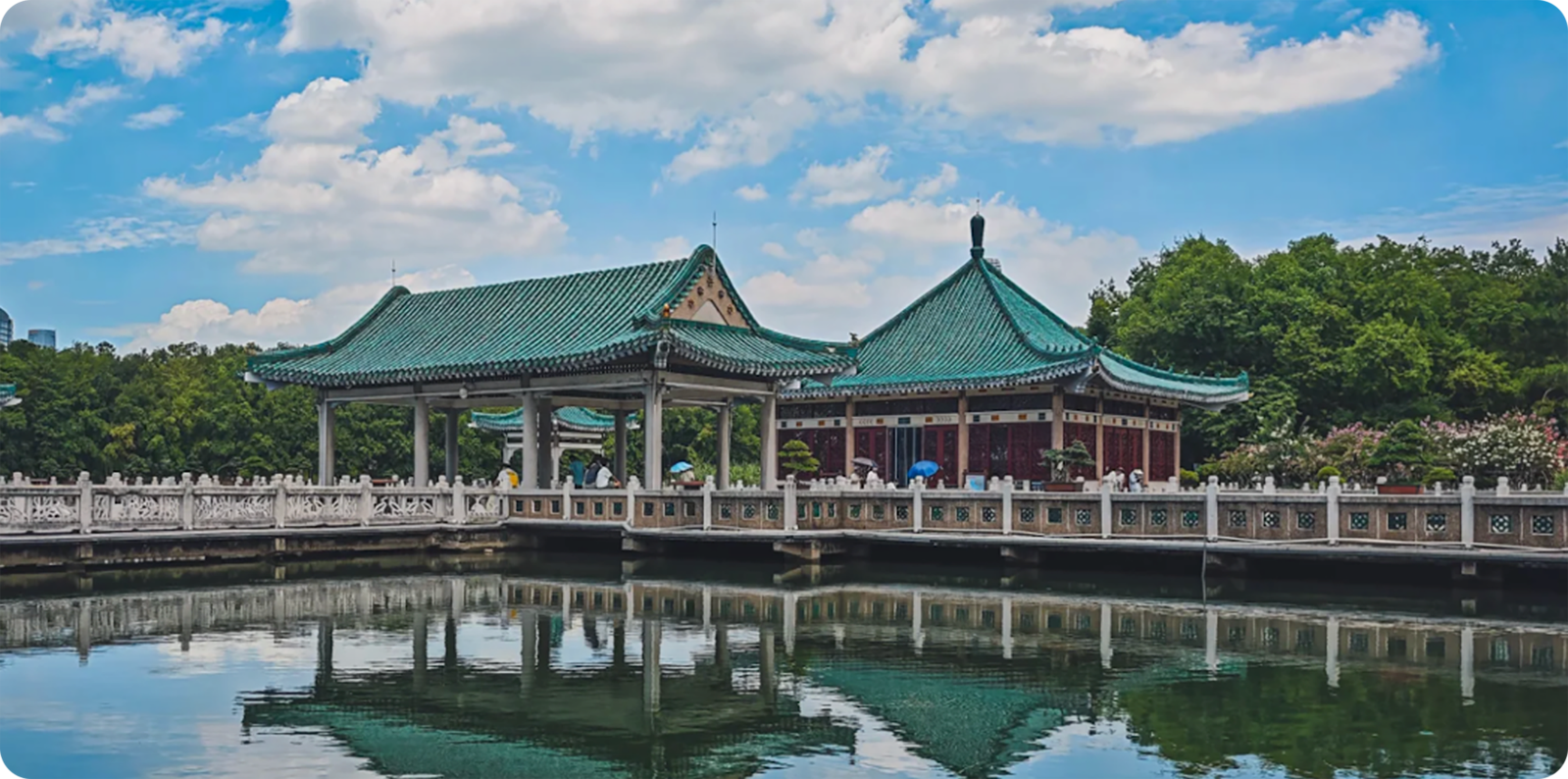
2.Bitan Guanyu (Viewing Fish at the Jade Pool)(approx. 20 mins):A Jiangnan-style koi pond featuring winding corridors, white walls, dark tiles, and latticewindows a classic Suzhou and Hangzhou architectural style perfect for artisticphotography. Schools of koi swim in the pond, and visitors can feed them (fish foodavailable for 5 CNY/pack in the scenic area). When the fish gather for food, the watersurface looks like rolling red silk.

3. Changtian Tower and Lakeside Walkway (approx. 15 minutes): Walk alongthe East Lake Greenway, enjoy the beautiful lakes and mountains, and take photos atChangtian Tower.

III. In-Depth Tour of Moshan Scenic Area (15:45 - 17:45)

[East Lake Moshan Scenic Ar ea] in the center of East Lake and surrounded by water on three sides, and it is the core attraction of the East Lake Scenic Area and the largest Chu culture tourist zone in China. It boasts a rich and profound Chu cultural charm where huma- nistic and natural landscapes beautifully complement each other. The area is filled with Chu culture landmarks. During this trip, you will v- isit the Chucheng Gate (a replica of pre-Qin regulations); Chutiantai ( built in the style of the ancient Chu Zhanghua Terrace); and enjoy an immersive Chustyle Chime Bell performance to experience the beauty of Jingchu ritual music. [Accompanied by a Gold-Medal Bilingual Guide throughout]
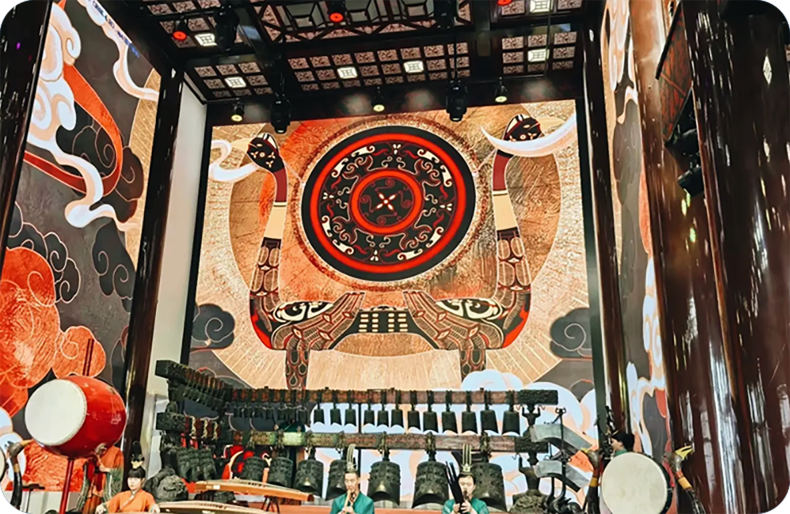
1. Chutiantai (Chu Heaven Terrace) (approx. 1 hour; 20 CNY/person, includes chime bell performance): the highest point of the East Lake Scenic Area, ascending the terrace offers a panoramic view of East Lake. Inside, there is a chime bell music and dance performance, featuring an innovat- ive set of bells inspired by the famous Chimebells of Marquis Yi of Zeng. This complete set of bells, combined with a repli- ca set of stone chimes, creates an exceptional audiovisual atm- osphere. Enjoy classic pieces such as “Chu Merchants,” “Ode to the Tangerine,” “Butterfly Lovers,” and “Ode to Joy” (per- formance lasts about 25 minutes). The chime bell performance times: AM: 9:30, 10:30, 11:30; PM: 14:30, 15:30, 16:30. (Maximum capacity: 150 people).
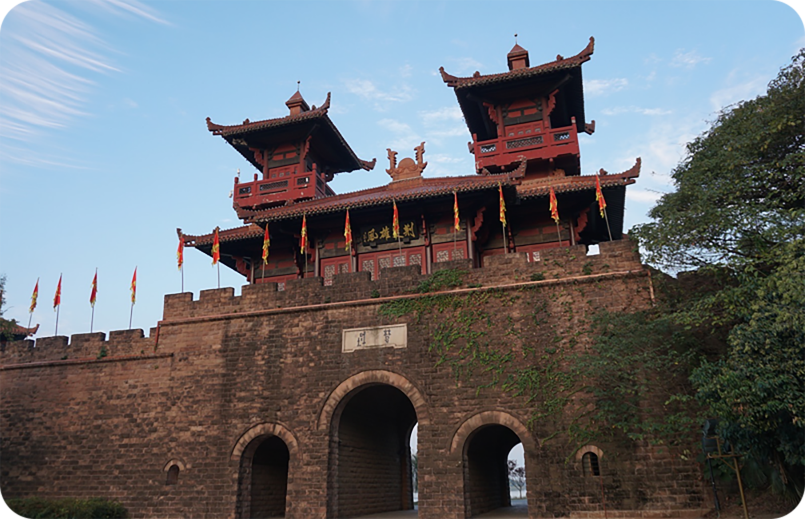
2. Chu Culture Park (approx. 30 minutes): Moshan Chu Culture Park is an important birthplace and key tourist area

for Chu culture. Here, you can witness the developmental history of Chu culture, understand the rich and diverse culture ofthe Chu State, and embark on a time-traveling journey through Chu culture. The Chucheng Gate (Chu City Gate) replicates the city tower of Yingdu, the ancient capital of the Chu State. Visitors can walk on the city walls and experience the solemn sense of ceremonyat the gate.
IV. Return Journey (17:45 onwards)

The activity concludes. Take the tour bus to return to Donghu Hotel together.

Introduction to Key Sites
I. Donghu Hotel

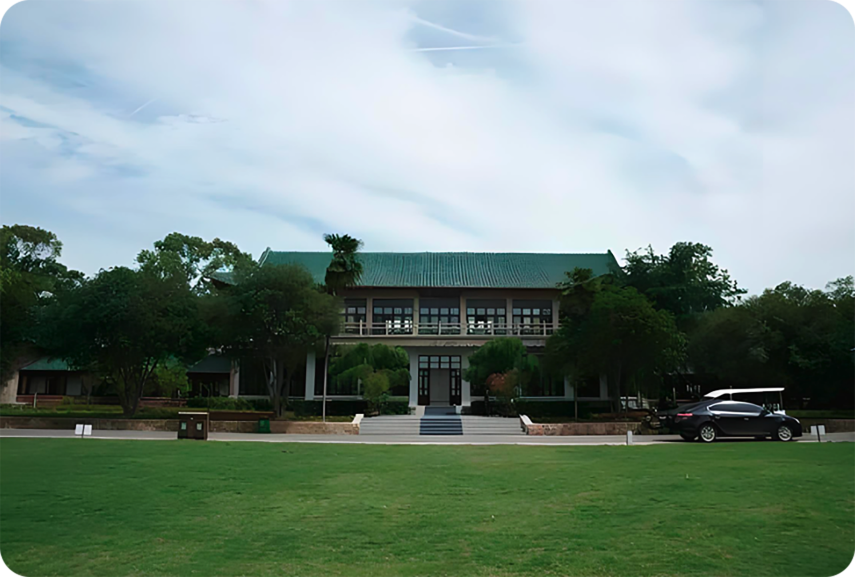
Donghu Hotel is situated on the picturesque shores of East Lake, covering a courtyard area of 0.83 square kilometers. The guest reception areas consist of Baihuayuan, Nanshan Jiasuo, Nanshan Xincun, Baihuacun, Meiling, and the TingtaoArea. The East Courtyard is adjacent to East Lake Park, while the West Courtyard faces Luojia Mountain and Moshan across the water. The grounds are filled with towering trees, singing birds, fragrant flowers, and flying egrets. With its beautiful natural environment and rich political and cultural resources, it is known as the “State Guesthouse of Hubei.” Chairman Mao once referred to it as “the land of white clouds and yellow cranes.” After the founding of the PRC, he worked and lived here for long periods.

Donghu Hotel is the place where Chairman Mao stayed the most and for the longest time outside of Zhongnanhai in Beijing after the founding of the People’s Republic of China. He would stay anywhere from a fortnight to half a year, handling many national affairs and receiving guests here. Every year, 300,000 to 400,000 Chinese and foreign guests visit and pay their respects at Chairman Mao’s former residence in Donghu Hotel. Over a half-century of history, Donghu Hotel has seen both glory and periods of uncertainty, and is now rising anew amid reform and opening up, writing a new chapter. It has hosted Mao Zedong, Zhou Enlai, Deng Xiaoping (the first and second generation of leaders of the Republic), as well as Jiang Zemin, Li Peng, Li Ruihuan, Hu Jintao, and many foreign heads of state and VIPs. Today, it radiates youthful vitality, welcoming guests from all over the world into the new century with enthusiastic service, an elegant environment, comprehensive facilities, and rich cultural landscapes. On April 27 and 28, 2018, Chinese President Xi Jinping held an informal meeting with Indian Prime Minister Narendra Modi at the Donghu Hotel in Wuhan.

II. Qu Yuan Memorial Hall

Qu Yuan (given name Ping, courtesy name Yuan) was born into a noble family of the Chu State, sharing ancestry with the King of Chu. Receiving an excellent education from a young age, he was well-versed in history, literature, and politics, displaying outstanding talent in his youth. He served as “Zuotu” (a high-ranking official) of the Chu State, responsible for domestic and foreign affairs. He advocated domestic political reform and an alliance with the Qi State to resist the threat of the powerful Qin State. However, because he offended the interests of the old nobility, he was marginalized, alienated by King Huai of Chu, and eventually exiled. Due to political corruption and the declining power of the Chu State, Qu Yuan wrote numerous poems expressing his deep concern for his country and its people during his exile. In 278 BC, when the Qin army breached Yingdu, the capital of Chu, Qu Yuan, filled with grief and indignation, drowned himself in the Miluo River on the fifth day of the fifth lunar month, sacrificing himself for his country.

Qu Yuan created the romantic poetry genre known as “Chu Ci” (Songs of Chu), breaking through the four-character verse format of the “Book of Songs.” It is famous for its free and bold sentence structure, magnificent imagination, and intense emotion. His representative works include Li Sao (The Lament) - his longest autobiographical political lyric poem expressing his pursuit of ideals and anxiety for his country, hailed as “the longest lyric poem in ancient China”; Jiu Ge (Nine Songs) - a series of poems set against the backdrop of Chu mythology, full of mystery and romance; Tian Wen (Heavenly Questions) - a unique work exploring the mysteries of the universe and history through philosophical questioning; and Jiu Zhang (Nine Pieces) - including chapters like “Ode to the Tangerine” and “Lament for Ying,” expressing patriotism and the pain of exile. Qu Yuan’s works profoundly influenced Han Fu, Tang poetry, and later literati (such as Li Bai and Lu Xun). His symbolic use of “fragrant herbs and beautiful women” became an important tradition in classical literature.

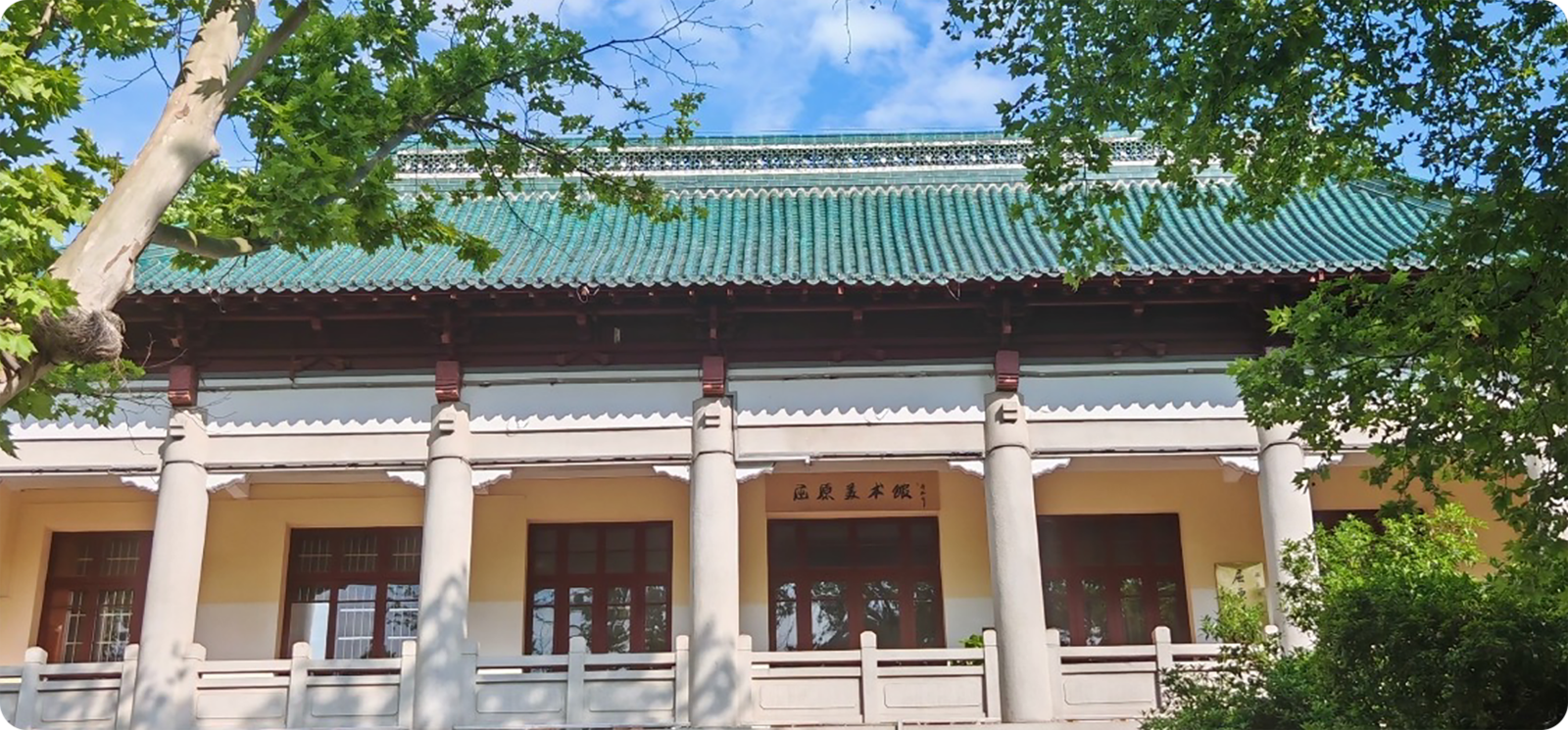
Qu Yuan is revered as the “Ancestor of Chinese Poetry” and a “Patriotic Poet.” His spirit, embodied in the famous line “The road ahead is long and without end, yet high and low I’ll search with my will unbending,” has inspired countless people with lofty ideals. In 1953, Qu Yuan was listed as one of the “Four Great Cultural Figures of the World” by the World Peace Council (alongside Copernicus, Shakespeare, and Dante). The Donghu Qu Yuan Memorial Hall and Xingyin Pavilion are representative landmark locations in the Wuhan area dedicated to commemorating Qu Yuan and promoting his patriotic spirit. The second floor of the memorial hall currently serves as the art gallery of the Hubei Painting and Calligraphy Academy.

III. Changtian Tower

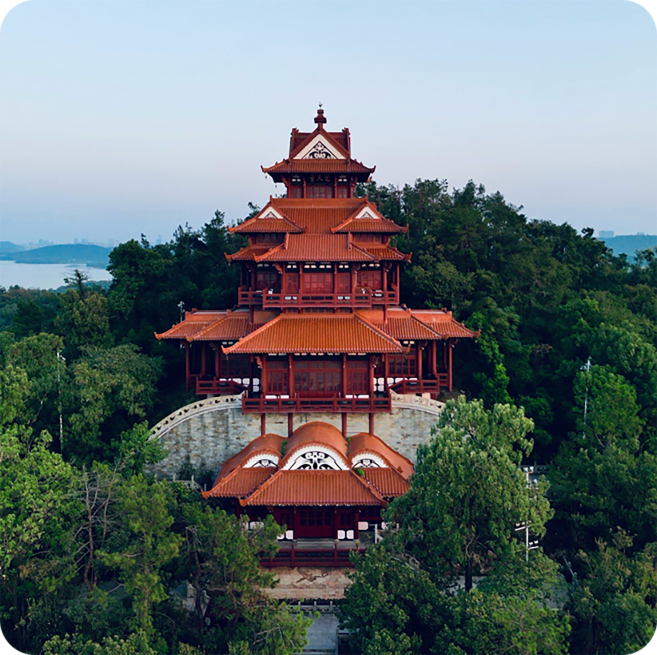
Built in 1956, Changtian Tower features emerald tiles and flying eaves, projecting a majestic presence with strong Chinese classical architectural characteristics. The name “Changtian” is taken from a famous line in the Tang Dynasty poet Wang Bo’s Preface to the Pavilion of Prince Teng: “The setting sun and a solitary wild goose fly together; the autumn waters blend with the vast sky (Changtian) into one hue.” The name of the tower was inscribed by Dong Biwu. In the 1950s and 1960s, older generation proletarian revolutionaries such as Mao Zedong and Zhou Enlai hosted foreign guests here many times.

Standing on Changtian Tower and leaning against the railing to look out, the distant Moshan Mountain looks like dark eyeliner, and the lake is dotted with white sails. A massive scroll of East Lake’s landscape unfolds before your eyes. To the left of Changtian Tower is Lu Xun Square, featuring lush green grass, a forest of dawn redwoods, and a bust of Lu Xun. In front of the tower is the Sunset Waterside Pavilion, resembling a wooden and stone boat. Climbing the spiral staircase, a natural landscape painting of autumn waters, blue skies, and green trees catches the eye. Behind and to the north of the tower is a pavilion named “Aina Pavilion,” derived from the Tang Dynasty poet Liu Zongyuan’s poem The Old Fisherman: "With a splash of the oars, the landscape turns green." With its emerald tiles and flying eaves, it is spacious, bright, and clean. Both ends are flanked by straight colonnades leading to square pavilions on the left and right, with an orderly layout and majestic momentum. Overlooking from the tower, the endless blue waves seem to touch the blue sky, leaving one with a broad and open mind.

IV. Moshan Chucheng Gate (Chu City Gate)

Moshan Scenic Area is one of the four core scenic areas of the East Lake Scenic Area, famous for its rich natural and cultural landscapes. The most famous feature of the Moshan Scenic Area is its year-round floral displays, such as spring cherry blossoms, summer lotuses, autumn sweet osmanthus, and winter plum blossoms. In addition, there is a Chu culture-themed tourist area and several specialized botanical gardens, enjoying a high reputation at home and abroad.

The Chucheng Gate (Chu City Gate) is located in the Wuhan East Lake Moshan Scenic Area. It is a historical reproduction of the city gate of Yingdu (Jinan City), the capital of the Chu State during the Spring and Autumn and Warring States periods. Built in July 1992, the Chu City Gate is 23.4 meters high, 11 meters wide, and 117 meters long, consisting of a water gate, land gate, city wall, watchtower, arrow tower, and beacon tower.

The design and construction of the Chu City Gate strive to restore the style of the Chu State during the Spring and Autumn and Warring States periods. The city wall uses red sandstone from Daye, Hubei. The title “Chu City” is written in oracle bone script by Mr. Hu Houxuan, a modern Shang historian and oracle bone expert. The plaque “Heroic Spirit of Jingchu” was handwritten by the famous calligrapher Li Duo. The Chu City Gate is not only a historical site but also an important window for showcasing Chu culture at Wuhan East Lake, attracting a large number of tourists to visit and reflect on the past.